Known Limitations & Edge Cases
The Authentication Tool is constrained by the limits of surviving historical documentation. This page outlines known limitations and edge cases that can affect interpretation.
Incomplete factory records
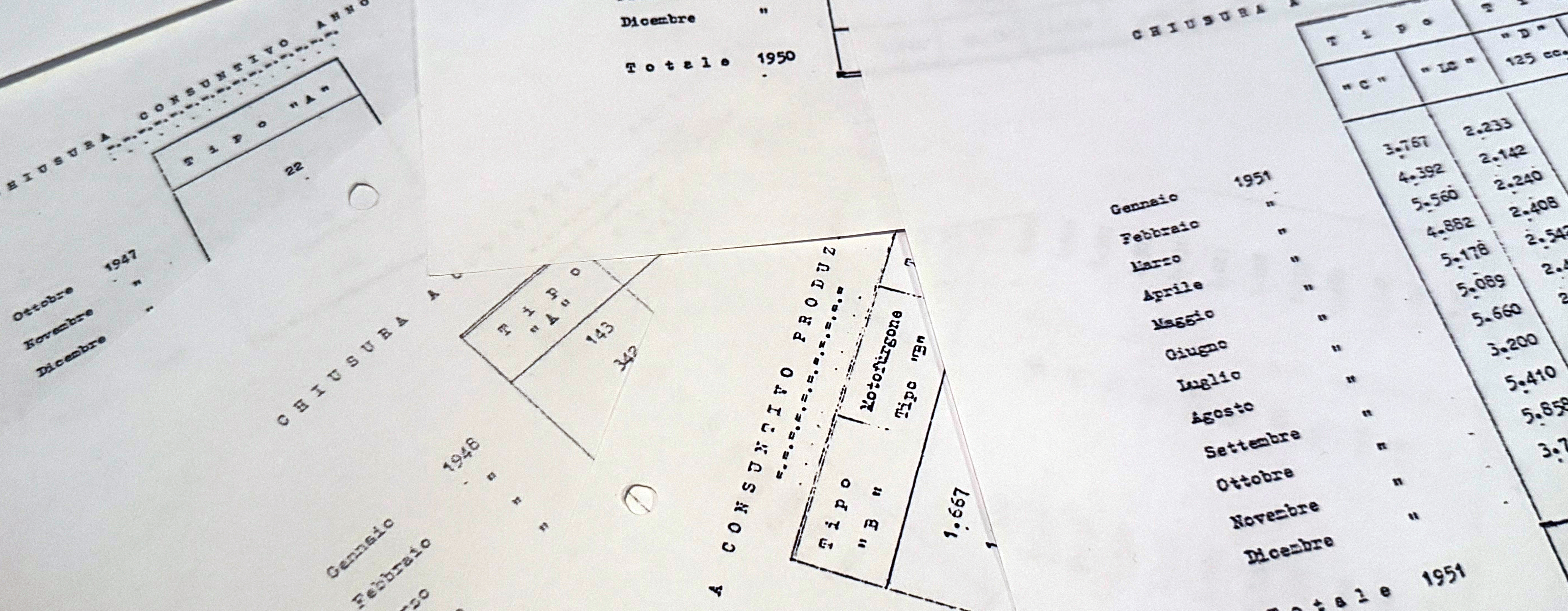
Not all Innocenti production records have survived. Some periods are documented only through aggregate totals or partial sequences rather than complete month-by-month data.
Where detailed records are unavailable, interpretation is limited to the most reliable production range supported by evidence.
Overlapping production periods
Parallel production lines, model transitions, and capacity changes can result in overlapping frame or engine number ranges across adjacent periods.
These overlaps reflect documented factory practice rather than error.
Numbering gaps and resets
Some models exhibit apparent gaps or resets in numbering sequences. These may reflect reserved blocks, cancelled batches, internal reassignment, or undocumented factory practices.
Such sequences are treated as discrete documented ranges rather than forced into artificial continuity.
Replacement and service components
Engines replaced during a vehicle’s service life may carry numbers that do not align with the original frame production period.
Where this occurs, frame and engine interpretations are reported separately rather than reconciled artificially.
Restamping and alteration
In rare cases, frame or engine numbers may have been restamped, altered, or obscured during repair or restoration.
The Authentication Tool assumes originality unless evidence suggests otherwise. Physical inspection remains essential where markings appear irregular.
Export, CKD, and special production
Vehicles produced for export markets, CKD assembly, or special contracts may not always follow standard domestic numbering patterns.
Where documented, these variations are reflected in the dataset. Undocumented special production may fall outside standard interpretation rules.
Interpretation limits
The Authentication Tool does not infer precision where documentation does not support it.
Where ambiguity exists, it is acknowledged explicitly rather than concealed through speculative classification.
Relationship to other documentation
This page documents unavoidable limitations. How interpretation is performed and how datasets are constructed are explained separately within the Tool documentation set.