VIN Search Methodology
This page explains how the Authentication Tool interprets Lambretta and Innocenti frame and engine numbers. It describes the logical process used to match numbers to documented production data and determine the most accurate production period supported by evidence.
Interpretation framework
The Authentication Tool operates by progressively narrowing context. Each input selection restricts the dataset to a smaller, historically valid subset until only the applicable production records remain.
Interpretation follows a fixed sequence: vehicle type, model, prefix, and finally numeric range.
Data structure
Production data is organised by vehicle category, individual model, and discrete frame and engine prefix systems. Each prefix corresponds to a documented numbering sequence with known production ranges and formats.
Numeric sequences are not assumed to be continuous unless factory records explicitly demonstrate continuity.
Prefix-based interpretation
Prefixes define the numbering system under which a frame or engine number was issued. A numeric value is never interpreted in isolation. The selected prefix determines which production sequence applies and how the number that follows is evaluated.
Where identical numeric values appear under different prefixes, each is treated as belonging to a separate documented sequence.
Frame and engine numbers
Frame numbers and engine numbers are evaluated independently. Each is matched against its own documented prefix system and production data.
Where both numbers are supplied, the system reports each interpretation transparently rather than attempting to force alignment between unrelated sequences.
Determining the production period
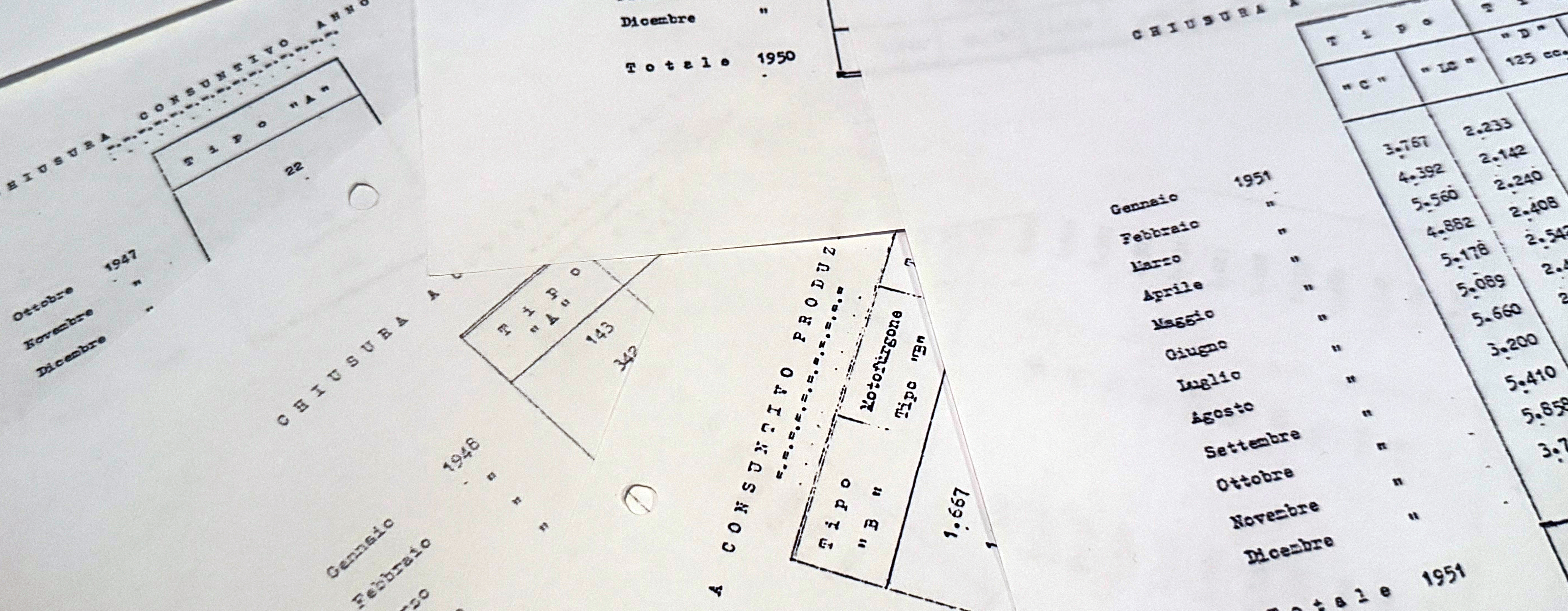
When detailed month-by-month production data exists, the VIN Search assigns the corresponding month and year.
Where only broader production ranges are documented, the number is classified within the nearest verifiable production period supported by evidence.
Variants and conditional logic
Some models were produced in multiple factory variants sharing common frame sequences. Variant interpretation is applied only where supported by documented engine prefixes or explicit user selection.
Variant logic determines which documented dataset is applied; it does not override production data.
Transparency of results
Results are generated using repeatable rules. The same inputs will always produce the same outcome.
Where interpretation depends on conditional logic or limited data, this is reflected explicitly in the result rather than concealed.
Relationship to other documentation
This page describes how interpretation is performed. Detailed explanations of prefix systems, source material, and known anomalies are documented separately within the Tool documentation set.